
Pasadena Craftsman Architecture: The Homes That Define the City |
From Greene & Greene landmarks to everyday bungalows, a guide to the design details and preservation legacy that make Pasadena distinctive |
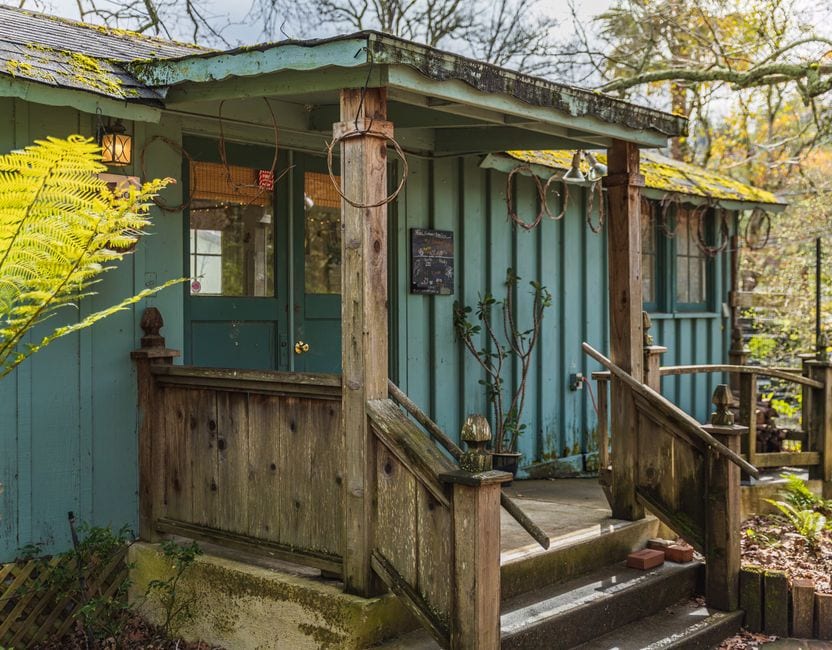
Pasadena Craftsman Architecture: The Homes That Define the City Pasadena has a way of turning an ordinary residential walk into an architecture lesson. A porch supported by heavy timber, a front door with carefully arranged glass, or a roofline that seems to settle comfortably into the landscape can reveal the influence of the American Arts and Crafts movement. These details are not merely decorative flourishes from an earlier century. They represent a philosophy that emphasized natural materials, skilled craftsmanship, thoughtful planning, and a closer relationship between a house and the people living in it. Across Pasadena, that philosophy survives in celebrated landmark properties and in much more modest neighborhood bungalows.
The Arts and Crafts movement arose partly as a response to industrial production and overly elaborate Victorian decoration. Its advocates argued that useful objects and buildings should express the qualities of their materials and the abilities of the people who made them. In Southern California, the movement found unusually favorable conditions. The mild climate encouraged outdoor living, and the expanding residential neighborhoods of Pasadena offered opportunities to experiment with porches, terraces, gardens, open interior arrangements, and generous natural light. The result was a regional architectural language that remains remarkably recognizable even as surrounding streets and businesses have changed.
The local story
Architects Charles Sumner Greene and Henry Mather Greene are central to that story. Their best-known Pasadena commissions, including the Gamble House and the Robert R. Blacker House, demonstrate an extraordinary level of coordination among structure, furniture, decorative elements, and landscape. The woodwork is precise without feeling mechanical. Stained and leaded glass changes the character of daylight. Stair rails, built-in cabinets, door hardware, and roof edges are treated as parts of one design rather than unrelated purchases selected from a catalog. Visitors frequently remember the experience of the rooms as much as any particular object inside them.
It would be a mistake, however, to tell Pasadena's Craftsman story only through its most expensive houses. Neighborhoods such as Bungalow Heaven show how related principles reached a much broader residential audience. The typical bungalow often occupied a comparatively modest lot, but its porch, roof overhangs, exposed rafters, grouped windows, and natural-looking finishes could create a strong architectural identity. Variation matters: two houses on the same block might share recognizable design values while displaying different columns, porches, shingles, windows, and garden arrangements. That variety makes a slow neighborhood walk both interesting and educational.
What makes it distinctive
Look closely at the way a Craftsman house meets the street. Many porches establish a gradual transition between a public sidewalk and a private interior. Large overhangs help shelter windows from direct sunlight. Broad roof forms give the building an appearance of stability, while wood, stone, brick, and textured surfaces introduce tactile interest. These elements are practical as well as beautiful. They reflect a period when ventilation, shade, sheltered outdoor seating, and a welcoming threshold were important components of residential design. The best examples are impressive because everyday usefulness and visual character reinforce one another.
Preserving such houses requires more than repainting an attractive exterior. Old woodwork can deteriorate. Historic windows may need careful repair rather than wholesale replacement. Original materials can be costly or difficult to source, and sympathetic additions demand thoughtful decisions about scale and detail. Skilled craftspeople need experience with traditional methods, while owners must balance preservation goals against changing family requirements and modern safety standards. There is rarely a single simple answer. Responsible preservation involves understanding what is significant about a building before deciding which changes are necessary and which would erase its character. |
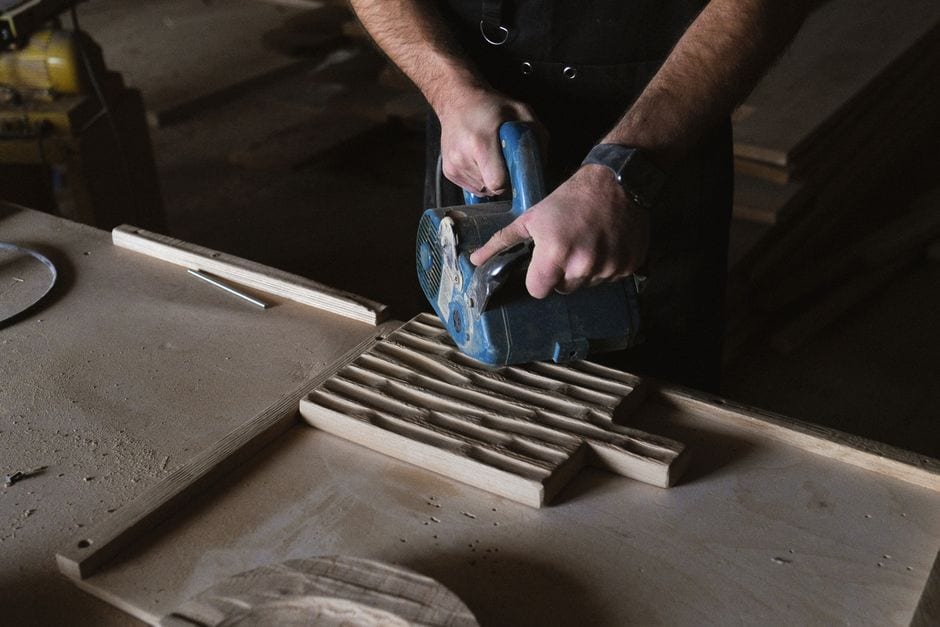 Illustrative photograph. Photo by Anna Shvets on Pexels |
Why it matters to Pasadena
Pasadena Heritage and other local preservation advocates help connect these technical questions to the larger community. Tours, lectures, and architecture programs provide opportunities to learn from historians, designers, restorers, and homeowners. Pasadena's Craftsman Week is one especially visible expression of that educational work. Rather than treating historic houses as inaccessible monuments, programs can explain why certain construction decisions matter and what the community gains when distinctive places remain legible. Readers should consult the organizer's current schedule before attending, because special-access tours are often limited and dates change from year to year.
Historic neighborhoods also support a broader discussion about the future of Pasadena. New housing, changing transportation needs, energy efficiency, and commercial development are all legitimate community concerns. Preserving architectural heritage does not mean preventing change everywhere. It means identifying meaningful buildings and streetscapes, assessing tradeoffs openly, and allowing history to inform decisions instead of being an afterthought. A city can add useful new places while protecting the physical evidence of how earlier generations lived, worked, and built. Thoughtful adaptation is often more productive than imagining that preservation and progress must always be enemies.
How to experience it
Residents can participate without buying a historic house or joining a formal tour. Choose a public sidewalk route in a neighborhood known for older homes. Observe porches, roof edges, windows, exterior materials, and the relationship between buildings and gardens. Read publicly available preservation materials and compare what you see. Respect private property, avoid entering yards, and never assume a historic residence is open for visitors. For deeper exploration, the Gamble House and Pasadena Heritage maintain useful public information. The reward is a richer understanding of a city whose character is visible in details people pass every day.
Sources and further reading See the primary source and additional official information for background, current visitor details, or events relevant to this story.
Illustrative feature photograph; not a verified photograph of the named Pasadena landmark or business. Photo by Robert So on Pexels.
Get Pasadena Insider in your inbox. For neighborhood reporting, local business discoveries and practical community guides, read Pasadena Insider and subscribe to the free weekly edition. |


0 Comments
Join the conversation
Be the first to comment
Share your thoughts above.